

Personalized hormone therapy for women and men, guided by comprehensive lab testing

Hormones change gradually, which is why the symptoms are easy to attribute to something else: sleep that is no longer restful, energy that fades by mid-afternoon, weight gain without changes in diet, or a shorter temper than usual. Each symptom can have many causes, and together they are often dismissed as a normal part of aging.
Bioidentical hormone therapy uses hormones that are structurally identical to those your body produces. Treatment is prescribed based on laboratory testing, not a symptom questionnaire, and your plan is reviewed and adjusted over time. Hormone therapy is not right for everyone, and if something other than hormones is causing your symptoms, your provider will help you find the right next step.
Hormone changes can show up in many different ways, and they often overlap. Your provider looks at your symptoms and your lab results together, then chooses the form of bioidentical hormone therapy that suits you, whether that is a cream, injection, oral option or pellet. Some of the most common reasons patients come to us:
Hormones affect almost every part of how you feel. Many people assume that fatigue, weight gain, low libido, brain fog, hot flashes, night sweats, poor sleep and mood changes are simply part of getting older. In many cases, they are signs that hormone levels have shifted, and they can be addressed.
Bioidentical hormone replacement therapy (BHRT) uses hormones that are structurally identical to the ones your body makes naturally, such as estradiol, progesterone and testosterone. Treatment is always based on a thorough consultation and comprehensive lab work, so your plan reflects what your body actually needs.
BHRT can be delivered in several ways, including creams, injections, oral options and pellets. Your provider will explain the benefits of each and recommend the approach that best fits your health, your lab results and your lifestyle, then adjust it over time with regular follow-up.
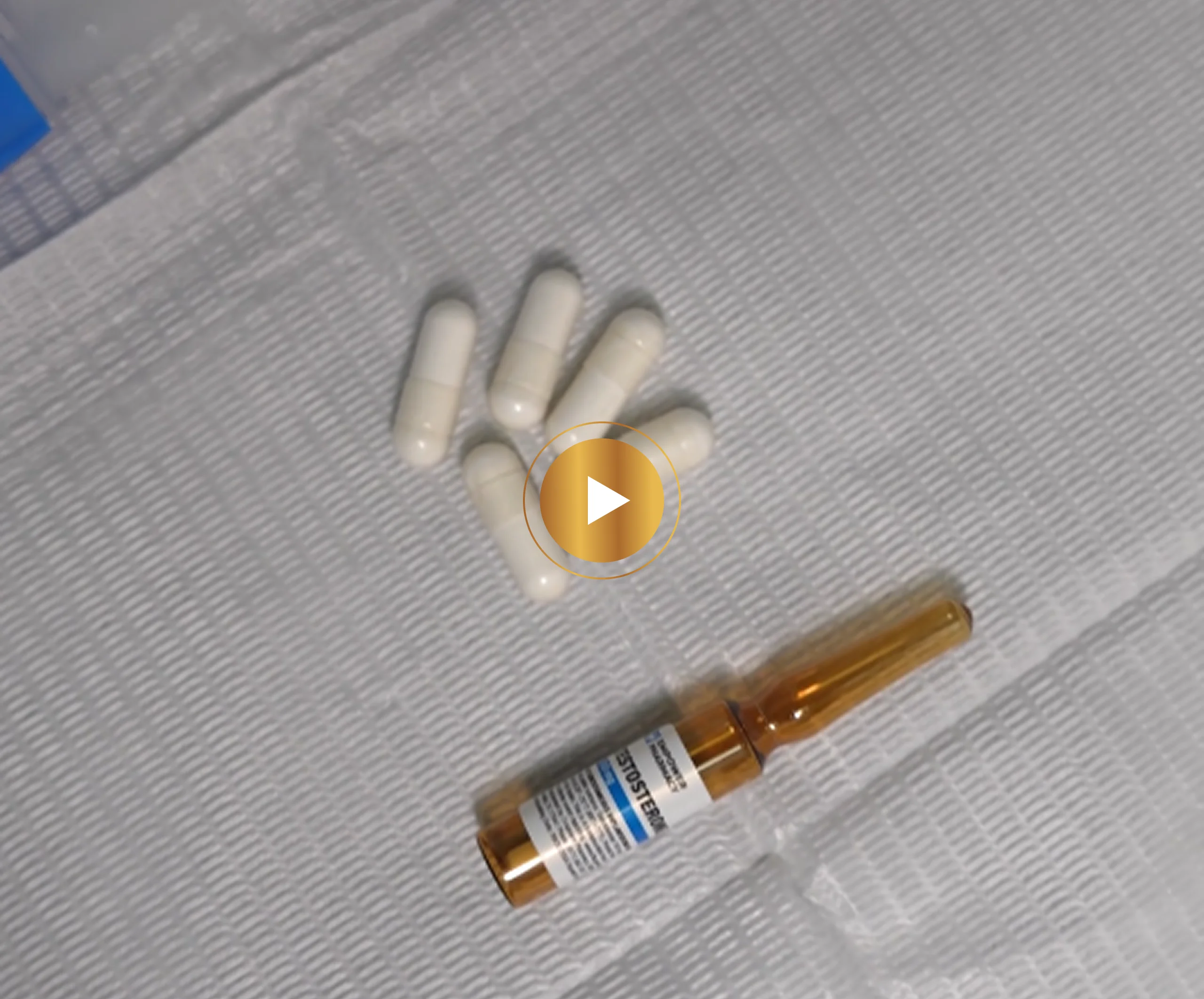
There is no single right way to restore hormone balance. After reviewing your symptoms and lab results, your provider will recommend the delivery method that fits you best, and adjust it as your body responds.
Creams: Applied to the skin daily, creams allow gentle, flexible dosing that is easy to fine-tune.
Injections: Often used for testosterone therapy, injections offer reliable dosing on a regular schedule, given in the office or at home.
Oral options: Some hormones, such as progesterone, are commonly taken by mouth, often at bedtime.
Pellets: Small bioidentical pellets placed just under the skin release hormones steadily over several months, for patients who prefer not to dose daily.
Many patients use a combination of these methods. Whatever you choose, your treatment is monitored with follow-up visits and lab work so your hormones stay in a healthy, balanced range.
Steady energy is the most common reason patients seek hormone therapy, and often the first improvement they notice.
Many patients find that brain fog lifts and focus improves as their hormones come back into balance.
Several hormones influence sleep quality. Balancing them can help you fall asleep more easily and wake up feeling more rested.
Hormones play an important role in metabolism and body composition. Balance is one piece of the puzzle, alongside nutrition, activity and sleep.
Irritability, anxiety and low mood are common with hormone changes, and many patients feel calmer and more like themselves with treatment.
Bioidentical hormones are structurally identical to the hormones your body naturally produces, whichever delivery method you choose.
Do you think you might have a hormone imbalance?
Take this free survey to find out and receive a free email guide to hormone balancing!
Our women’s health program starts with proper testing rather than a prescription. If your energy, sleep, mood or weight have changed and nobody has explained why, this is where to start.
Watch this patient share her experience. Her plan addressed her hormones, metabolism and nutrition together.
A 51-year-old patient came in with menopausal symptoms—fatigue, poor sleep, low libido, and weight gain. Blood work revealed pre-diabetic insulin resistance and metabolic dysfunction.
Bioidentical hormone therapy, GLP-1 medication, supplements, and personalized health coaching.
When all the pieces are in place, women get amazing results.
Individual results vary. This case is shared with patient permission and does not guarantee similar outcomes.
Bioidentical hormones are structurally identical to the hormones your body naturally produces. The term describes the molecule itself. Like any prescription treatment, bioidentical hormones require proper evaluation and monitoring.
Yes. Every treatment plan is based on your laboratory results, symptoms and health history, not on a questionnaire alone.
Many patients begin to notice improvements in sleep, energy and mood within a few weeks, while other changes can take two to three months. Timing depends on the hormone, the delivery method and your individual response. Your provider will follow up with you and repeat lab work to fine-tune your plan along the way.
As with any medical treatment, hormone therapy has potential risks, which vary based on the hormone, delivery method, your age and your health history. Your provider will review these with you during your consultation, and hormone therapy is not recommended for every patient.
Symptoms typically return gradually after treatment stops. Hormone therapy is usually an ongoing part of your care rather than a short course, and your provider will discuss your long-term plan with you before you begin.


 Trustindex verifies that the original source of the review is Google.
 Trustindex verifies that the original source of the review is Google.
 Trustindex verifies that the original source of the review is Google.

 Trustindex verifies that the original source of the review is Google.
 Trustindex verifies that the original source of the review is Google.
 Trustindex verifies that the original source of the review is Google.
 Trustindex verifies that the original source of the review is Google.
 Trustindex verifies that the original source of the review is Google.
 Trustindex verifies that the original source of the review is Google.
 Trustindex verifies that the original source of the review is Google.
We kindly ask for at least 24 hours’ notice to cancel or reschedule your appointment. Appointments cancelled with less than 24 hours’ notice, or missed without notice, are subject to a $50 cancellation fee.
